Tokyo, Japan · 11 min read
Tokyo for first-timers: neighbourhoods, transport and bookings
How to group Tokyo by neighbourhood, choose the transport you actually need and book viewpoints or museums without turning the trip into a race.
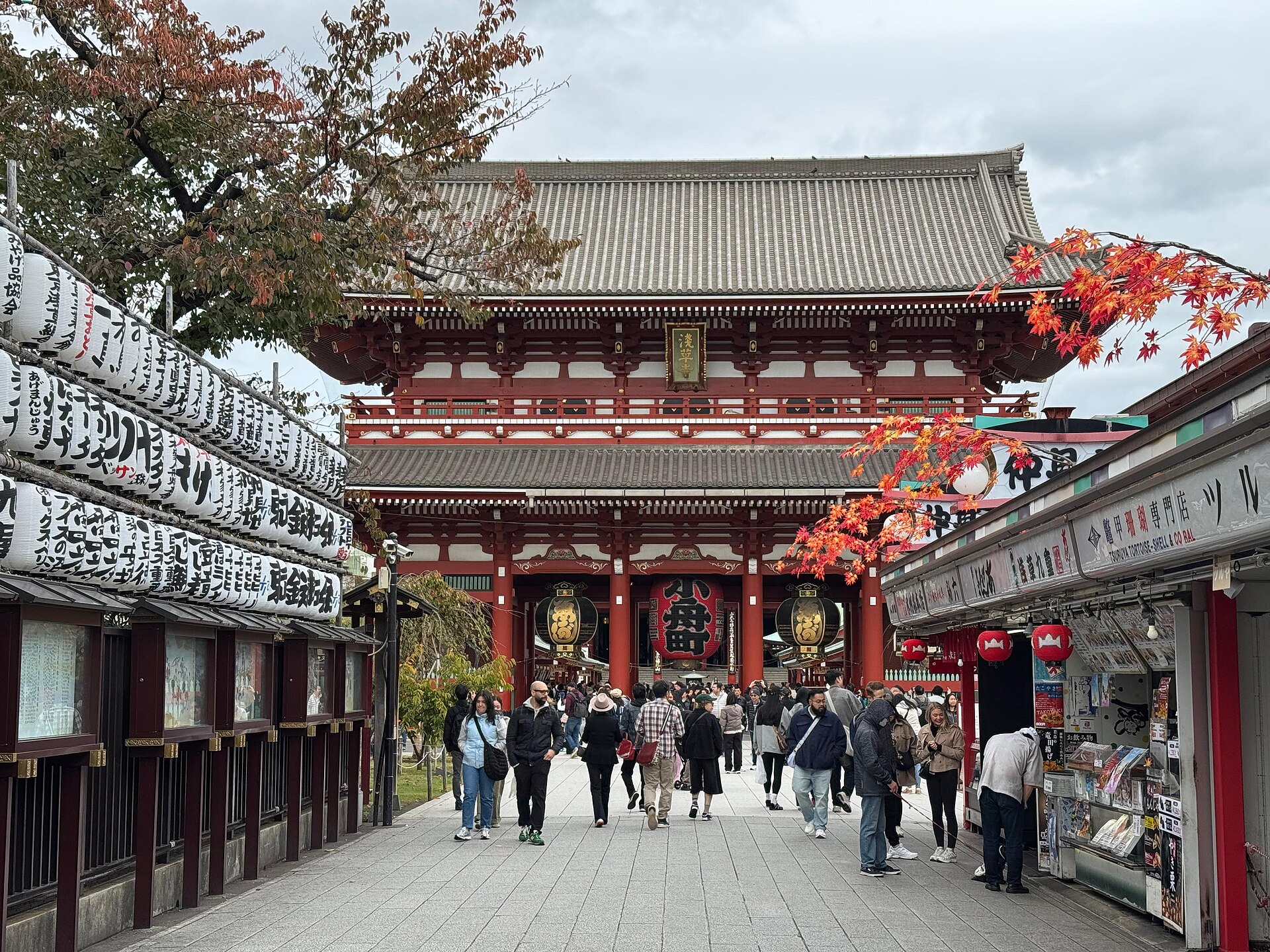
Real photo: Joli Rumi. CC BY-SA 4.0, versión redimensionada para web. View original and licence
Quick answer
Tokyo makes more sense as a sequence of neighbourhoods than as one city centre. Choose a connected base, combine one or two nearby areas per day and use an IC card for many everyday journeys; a pass only works when your actual lines are included. Keep timed anchors few and protect arrival and departure from long cross-city trips.
Neighbourhood energy decides the day
A “central” address does not guarantee an easy route. I would look for a base with one simple interchange towards the areas that matter most and a clear return at night. Keep the first day within that radius to learn the station, exit and payment method.
The last day does not belong to the most distant neighbourhood. Luggage, airport and operator decide it, so keep the morning near your base or departure station. The mistake is treating interchanges as empty time.
Four rhythms rather than an icon race
Day 1 · Base and surroundings
Sleep in Tokyo. Arrive, learn the local station and take a nearby walk; make no booking dependent on flight punctuality.
Day 2 · Asakusa and the east
Use an early Senso-ji visit, one street or museum and the riverside. Three priorities; do not jump to Shibuya just for a night photo.
Day 3 · Active west
Shibuya, Harajuku and one park or viewpoint make a connected day. Book only the anchor that truly requires it.
Day 4 · Personal choice
Choose a market, museum or residential neighbourhood according to energy and weather. If it rains or a line fails, Plan B: keep one booking and use a covered option in the same area.
IC card and pass answer different questions
IC card
It stores value and speeds up many networks. It is not unlimited travel and does not replace every reservation.
Operator pass
It only makes sense when planned journeys use enough covered lines. Save the station exit and anchor time shaping the calculation in Trekky.
Separate ticket or reservation
Express, reserved-seat and some other services require a different purchase. Read the operator before entering.
Anchors with hours or capacity
Tokyo Skytree
A viewpoint with variable slots and prices; check visibility before fixing the rest of the day.
Allow external content to see the image, availability and price managed by Tiqets.
Senso-ji Temple
Temple grounds are freely accessible; check events and rules on the official site.
Tokyo Metropolitan Government Observatory
A free observatory subject to hours, maintenance and capacity.
Save Tokyo by neighbourhood in Trekky
Add bookings, stations and essentials for long walking days.
Sources and review
Written and reviewed by Manuel. Founder of Trekky and traveller across 36 countries. Last reviewed: 1 September 2026.
Each guide separates official facts from editorial recommendations, links its sources and displays its latest review date.
Keep planning your trip
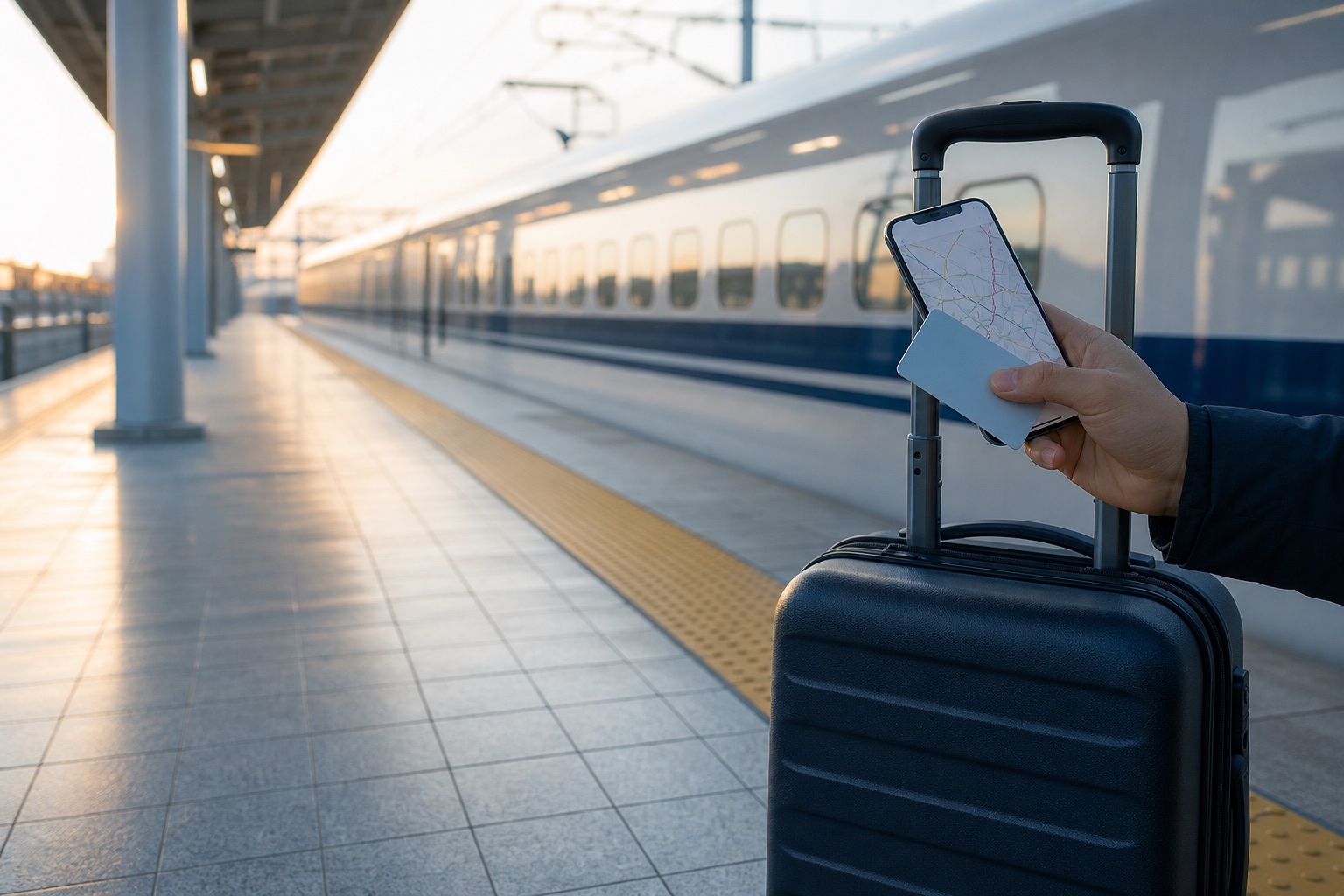
Japan · 10 min
Using trains in Japan: IC cards, tickets and luggage
A practical guide to IC cards, Shinkansen tickets, seat reservations, station changes and luggage rules in Japan.
Reviewed
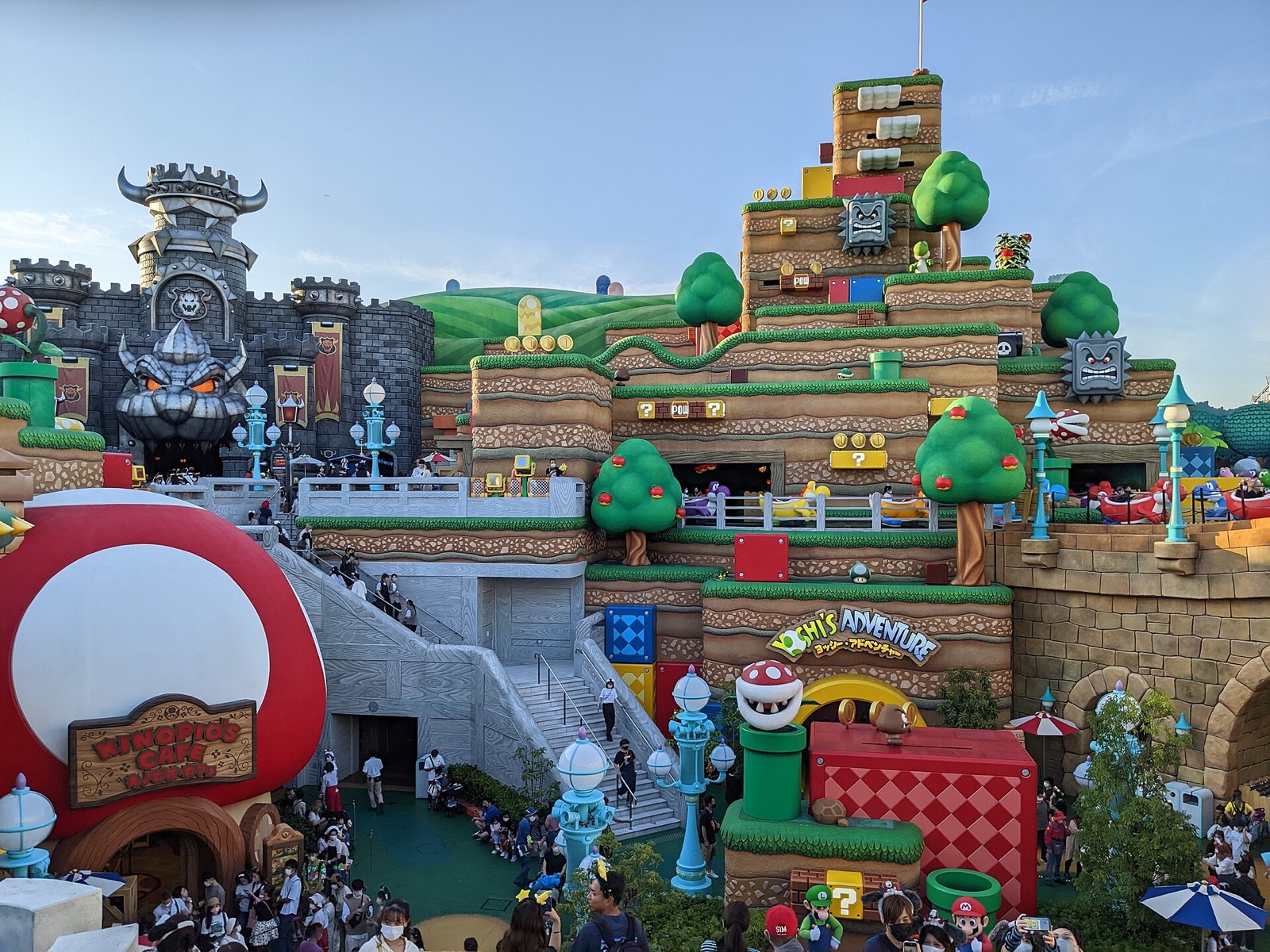
Osaka, Japan · 8 min
Universal Studios Japan: tickets, hours and Express Pass
Plan a day at Universal Studios Japan: opening hours, tickets, Express Pass, Nintendo World access and a day bag you can use in Trekky.
Reviewed
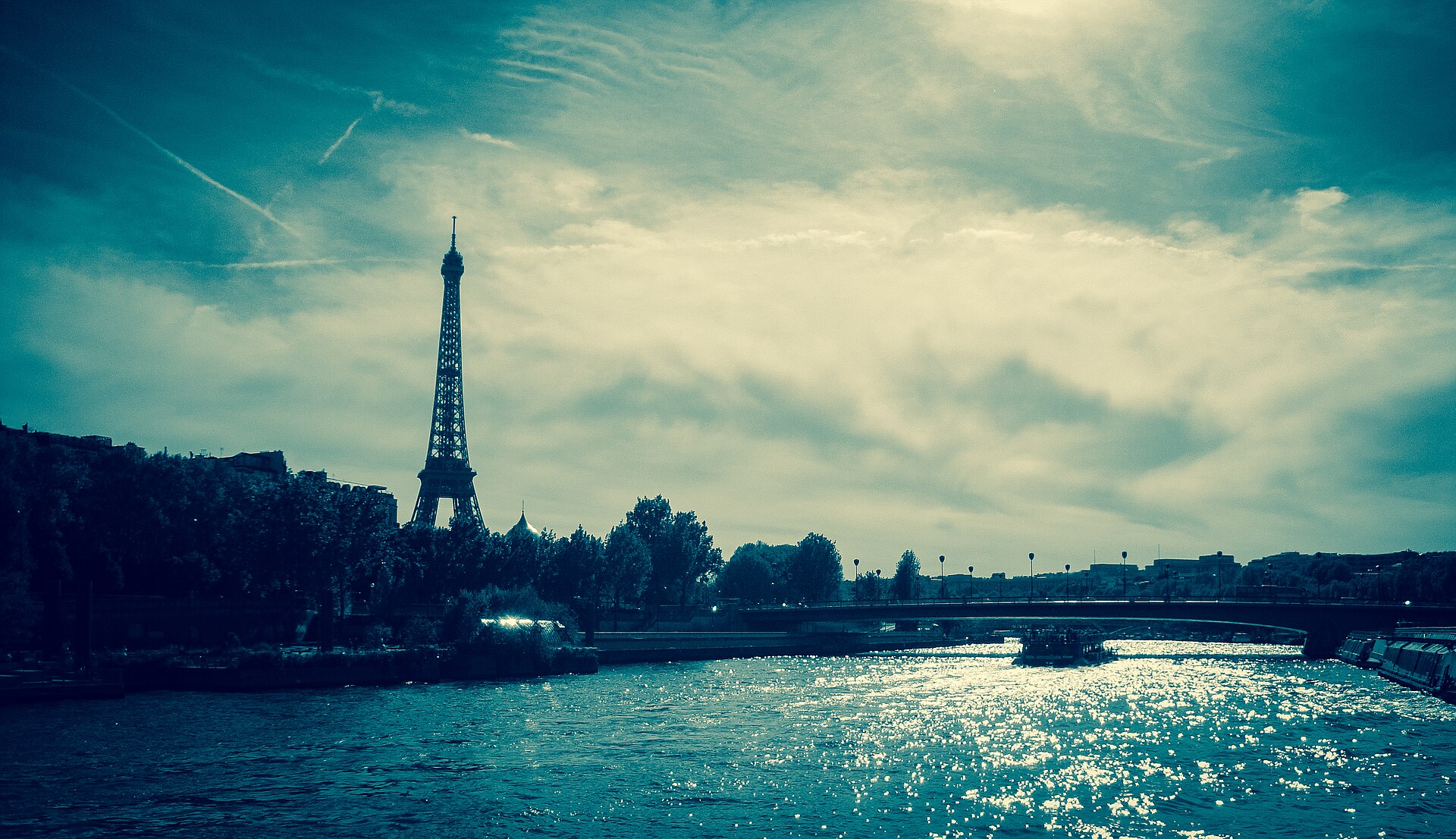
Paris, France · 10 min
Paris for first-timers: neighbourhoods, tickets and transport
A practical way to organise Paris by area, book only what is necessary and avoid fake tickets or needless journeys.
Reviewed